
The Virtues of Performing Umrah: Insights from Hadith
The Virtues of Performing Umrah: Insights from Hadith
Aamir Farooq
11/18/20254 min read
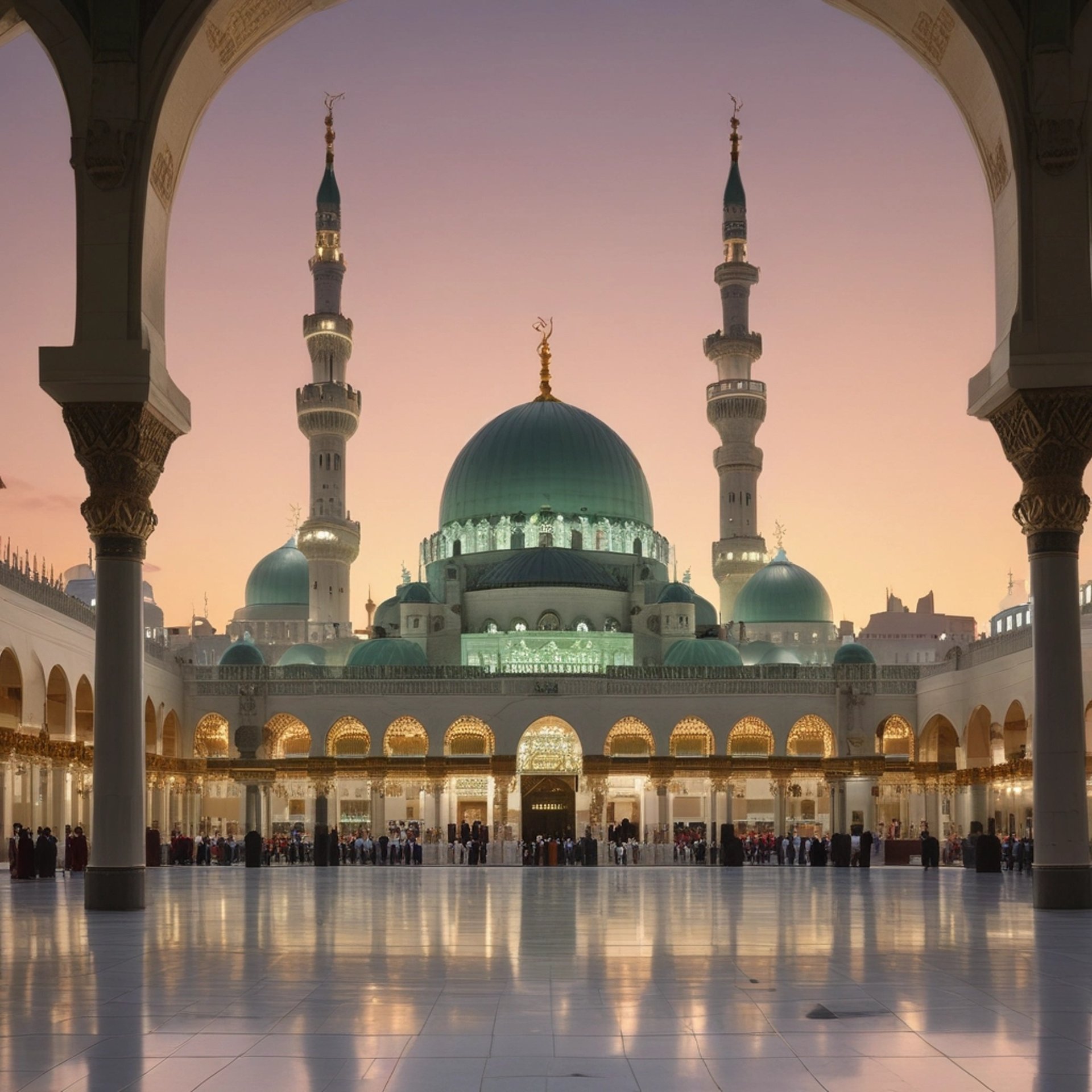
Understanding Umrah: A Brief Overview
Umrah, often referred to as the 'lesser pilgrimage', holds a significant place within the Islamic faith. Unlike Hajj, which is obligatory and performed during specific months, Umrah can be undertaken at any time of the year, making it more accessible for Muslims seeking spiritual fulfillment. This pilgrimage is highly revered as it involves a journey to the holy city of Mecca, where pilgrims engage in a series of rituals designed to foster devotion and submission to Allah.
The rites of Umrah primarily consist of Ihram (the sacred state), Tawaf (the circumambulation of the Kaaba), and Sa’i (the walking between the hills of Safa and Marwah). Each of these rites holds deep spiritual significance, embodying themes of unity, humility, and the remembrance of Allah. During Tawaf, pilgrims circle the Kaaba seven times, a practice that symbolizes the unity of the believers in the worship of the One God. Following Tawaf, the Sa’i ritual involves retracing the steps of Hagar, the wife of Prophet Ibrahim (Abraham), a powerful reminder of faith and perseverance in seeking sustenance from Allah.
The teachings of the Prophet Muhammad (peace be upon him) further illuminate the spiritual dimensions of Umrah. He described the pilgrimage as a means for the forgiveness of sins and a source of immense rewards. In one hadith, he states that performing Umrah holds the weight of Hajj in terms of rewards when undertaken with pure intention. This exemplifies how Umrah serves not only as a physical pilgrimage but also as a profound spiritual journey that fosters closeness to Allah and instills a sense of purpose in the lives of believers.
Through its unique characteristics and spiritual undertones, Umrah remains a vital aspect of a Muslim's life, reinforcing their faith and allowing for reflection on their relationship with Allah. As such, the virtues associated with this pilgrimage continue to inspire countless Muslims to undertake this sacred journey throughout their lives.
Spiritual Significance of Umrah in Hadith
The performance of Umrah holds profound spiritual significance in Islam, as highlighted in numerous hadith attributed to the Prophet Muhammad (peace be upon him). This lesser pilgrimage, although not obligatory like Hajj, offers immense rewards and serves as a means to seek forgiveness, spiritual upliftment, and closeness to Allah. In various authentic narrations, the Prophet emphasized the merits of performing Umrah, indicating its role in purifying the soul and instilling a deep sense of devotion amongst Muslims.
One notable hadith states that the Prophet (peace be upon him) said, “The reward of an accepted Umrah is nothing less than Paradise.” This proclamation underscores the high esteem in which Umrah is held within the Islamic faith. The implications of this hadith suggest that undertaking Umrah not only serves as an act of worship but is also a pathway to achieving divine grace and mercy, reinforcing the belief in the significant spiritual benefits it bestows upon pilgrims. Furthermore, the Prophet (peace be upon him) also articulated that performing Umrah during the month of Ramadan carries the reward comparable to that of Hajj, thus elevating its importance during this holy month.
Moreover, the teachings surrounding Umrah emphasize the importance of humility and servitude. Pilgrims are urged to approach the sacred rituals with a sincere intention, free from worldly distractions. The act itself is a demonstration of surrendering to Allah’s will, which leads to spiritual purification and renewal. The messages conveyed through these hadith serve not only to encourage Muslims to embark on Umrah but also to enrich their understanding of the pilgrimage's value in cultivating a strong, faith-driven life.
Umrah: A Form of Worship with Endless Rewards
Umrah is regarded as a significant act of worship in Islam, providing believers with an opportunity to draw closer to Allah and earn immense rewards. Unlike the obligatory pilgrimage of Hajj, which has specific dates, Umrah can be performed at any time, making it accessible for many Muslims seeking spiritual fulfillment. According to Islamic teachings, the act of Umrah embodies a deep sense of devotion, humility, and connection to the Divine, allowing individuals to cleanse their hearts and seek forgiveness for their sins.
Numerous hadith emphasize the virtues and rewards of undertaking Umrah. It is reported in authentic narrations that the Prophet Muhammad (peace be upon him) said, “Umrah is an expiation for sins committed between it and the previous Umrah.” This profound statement illustrates that performing Umrah is not merely a physical journey but a spiritual cleansing that can contribute to the purification of the believer's soul. Such rewards highlight the transformative impact that this act of worship can have, not only in the Hereafter but also in one's daily life.
Furthermore, one of the compelling aspects of performing Umrah is the opportunity for personal reflection and introspection. During the rituals, which include tawaf (circumambulation of the Kaaba) and sa'i (walking between the hills of Safa and Marwah), individuals are encouraged to focus their thoughts on their relationship with Allah. As the believer engages in these acts of worship, they become more attuned to their spiritual state, fostering a deeper sense of gratitude and reliance on the Almighty.
In essence, Umrah serves as a profound reminder of a Muslim's commitment to their faith. By embracing the spiritual journey that comes with this pilgrimage, individuals can experience both immediate blessings and eternal rewards. The opportunity to seek forgiveness, engage in prayer, and strengthen one's bond with Allah embodies the essence of Umrah as a worship filled with limitless potential for spiritual growth.
Practical Tips for Making Umrah a Meaningful Experience
Performing Umrah is a significant spiritual journey for Muslims around the world. To ensure that this pilgrimage is enriching and meaningful, individuals should consider several practical tips that can enhance their experience. First and foremost, preparation is crucial. This includes both physical preparation, such as booking flights and accommodations well in advance, as well as spiritual preparation. Engaging in acts of worship, reading Quran, and studying relevant hadith prior to the journey can help cultivate the right mindset. Setting clear spiritual intentions fosters mindfulness during the pilgrimage, allowing pilgrims to focus on their purpose and relationship with Allah.
It is also essential to familiarize oneself with the rituals associated with Umrah. Understanding the significance of each act, from Ihram to Tawaf and Sa’i, adds a profound depth to the experience. Integrating the lessons derived from hadith can guide individuals on how to embody virtues such as patience, humility, and gratitude throughout the pilgrimage. For instance, reflecting on the hadith that encourages compassion towards others can inspire pilgrims to engage positively with fellow travelers and locals alike. As such, being present and respectful during this spiritual act becomes imperative.
Moreover, pilgrims should strive to develop a reflective practice during their journey. This can involve taking quiet moments for personal supplication (dua) and contemplation. These practices, grounded in the teachings of the Prophet Muhammad (peace be upon him), remind individuals of the importance of internalizing the virtues of Umrah. After completing the pilgrimage, one should also consider how to integrate these lessons into daily life, thereby transforming the Umrah experience into a catalyst for long-term spiritual growth. By focusing on these considerations, pilgrims can elevate their Umrah from a mere physical journey to a transformative spiritual experience.